이하여백
Eha Yeobaek
Renovated Church, Complex Cultural Space
2021
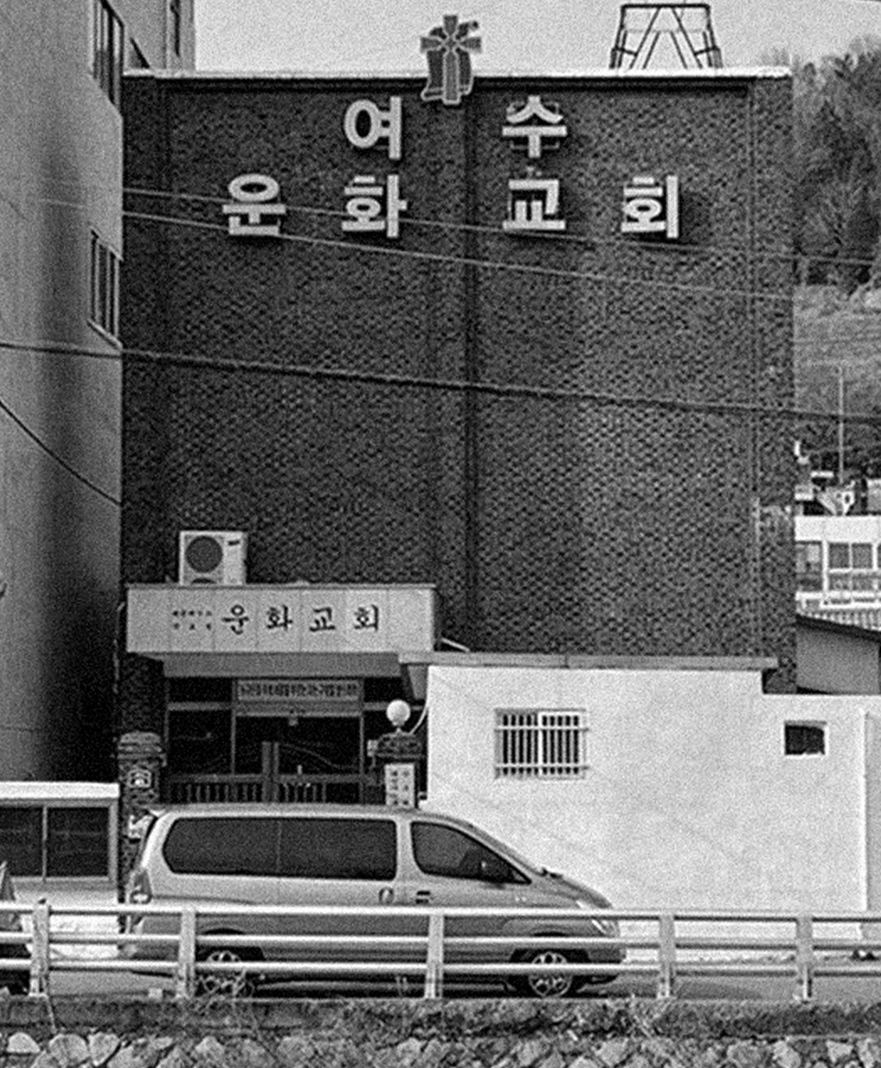
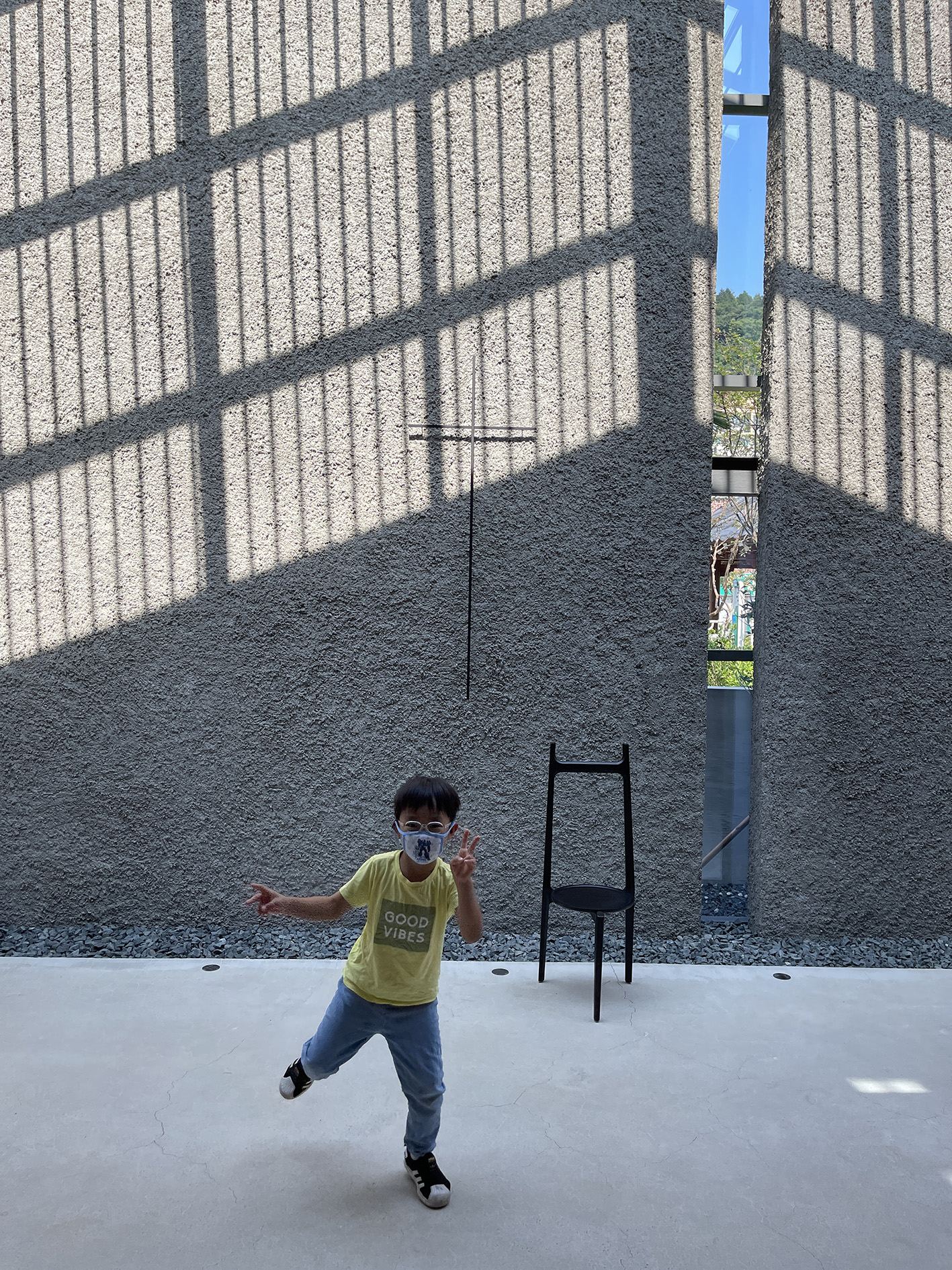
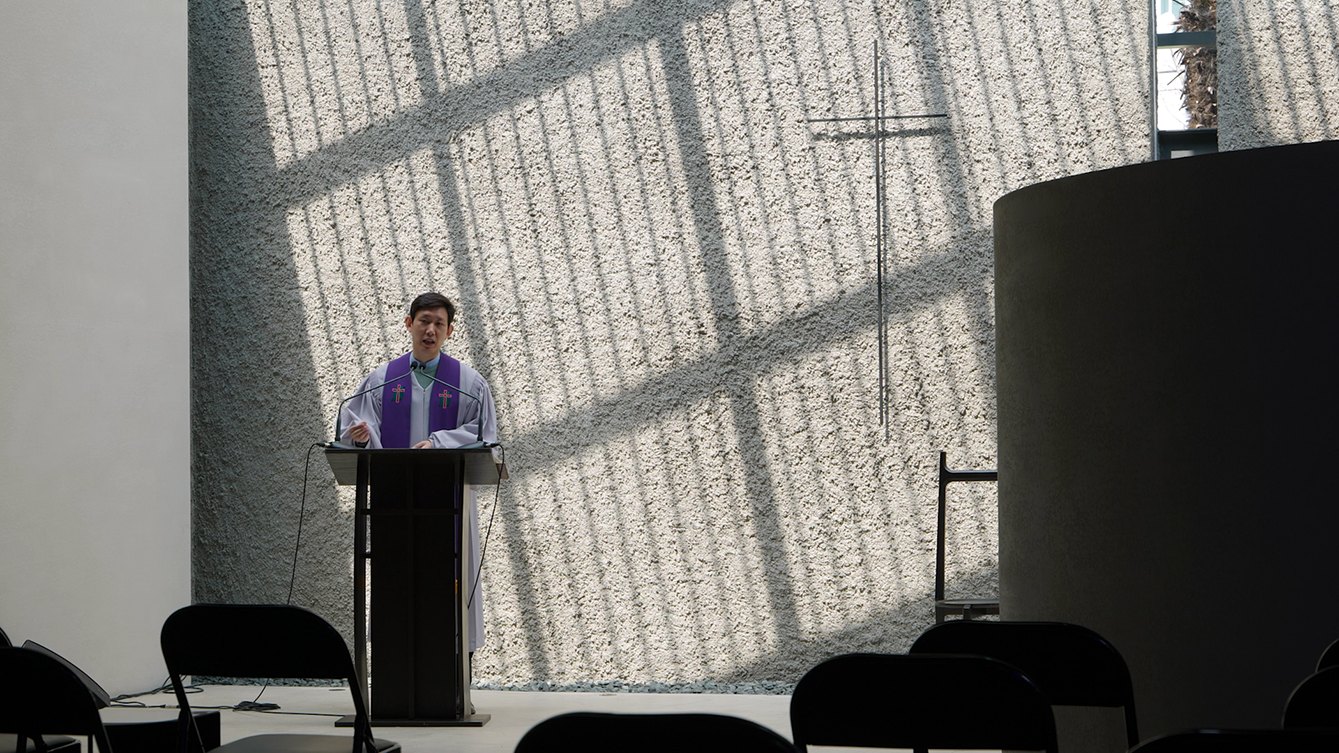
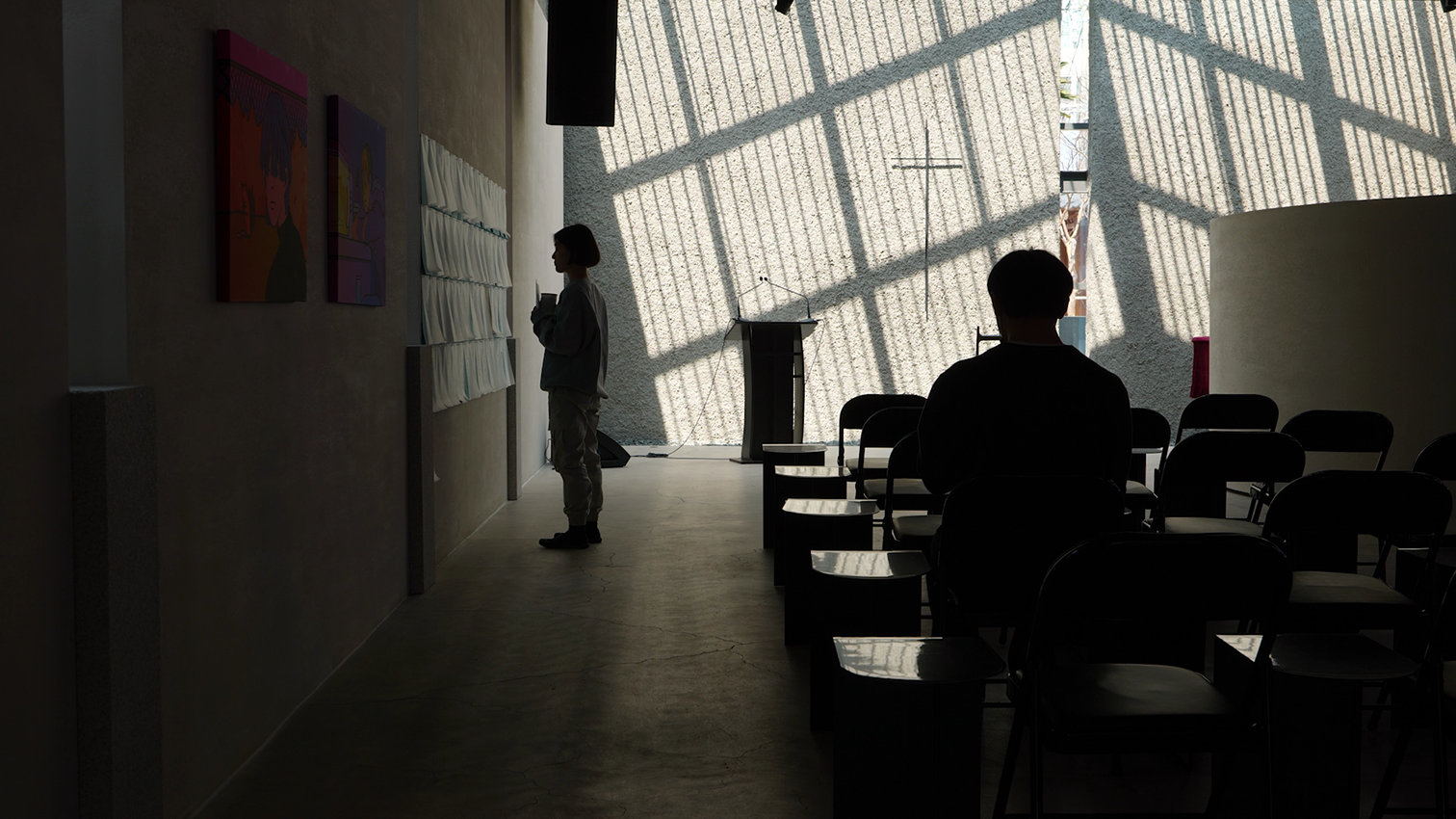
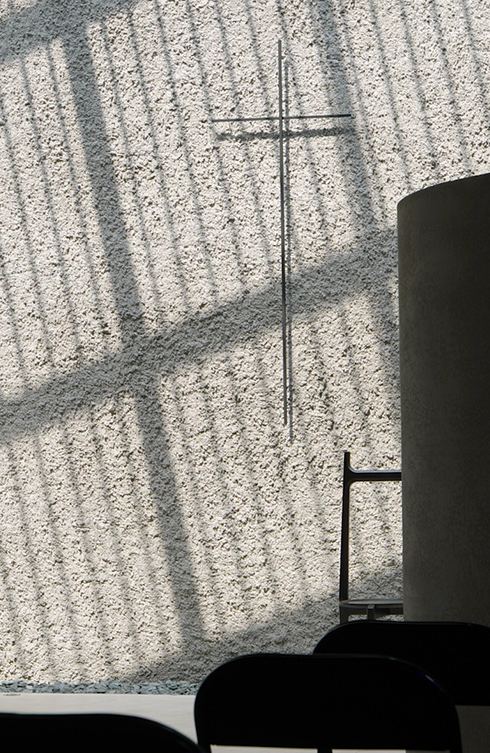
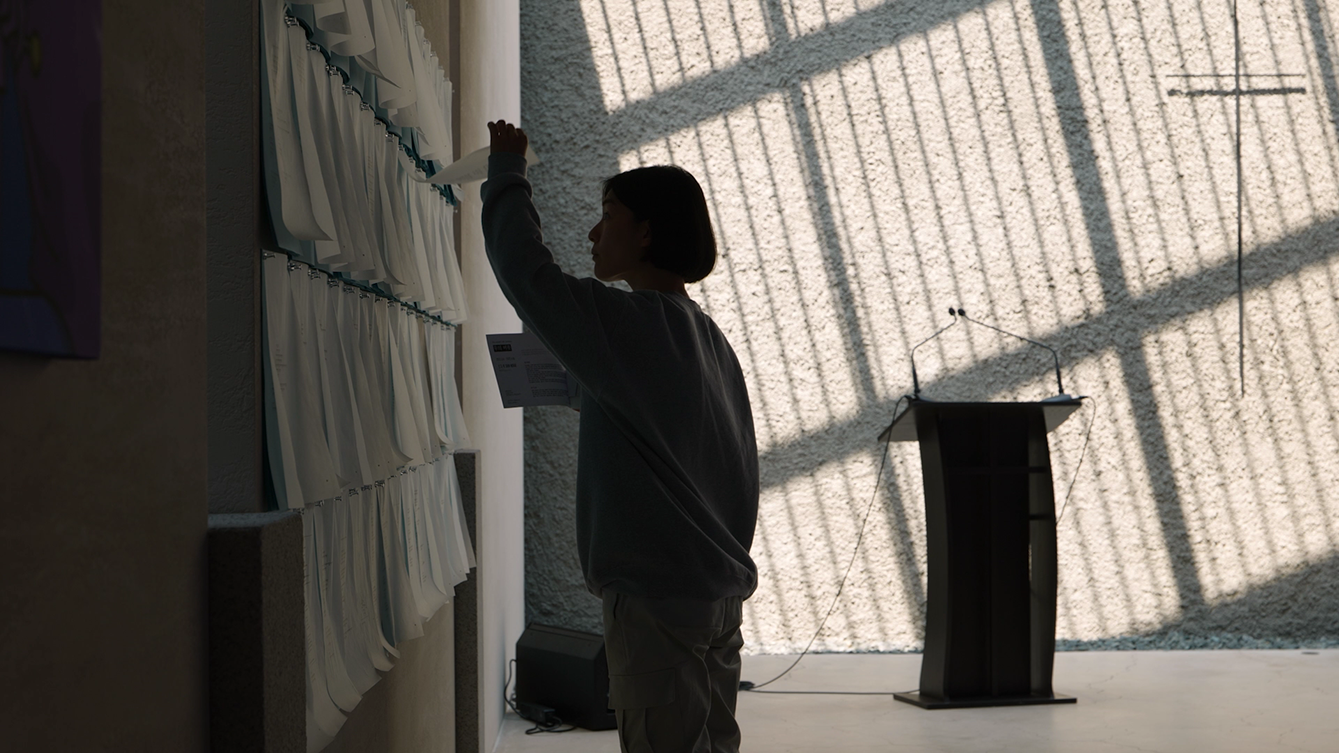
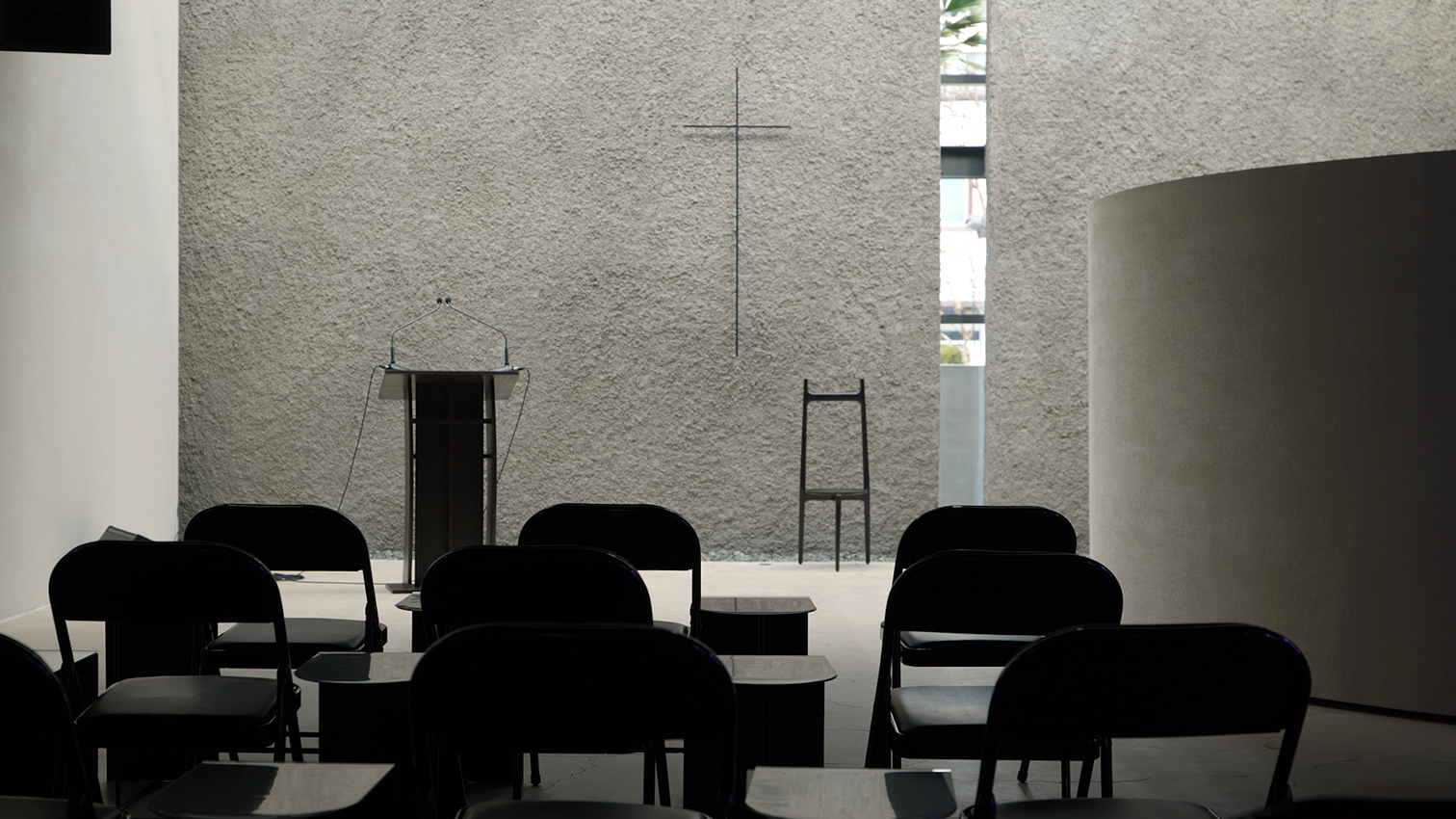
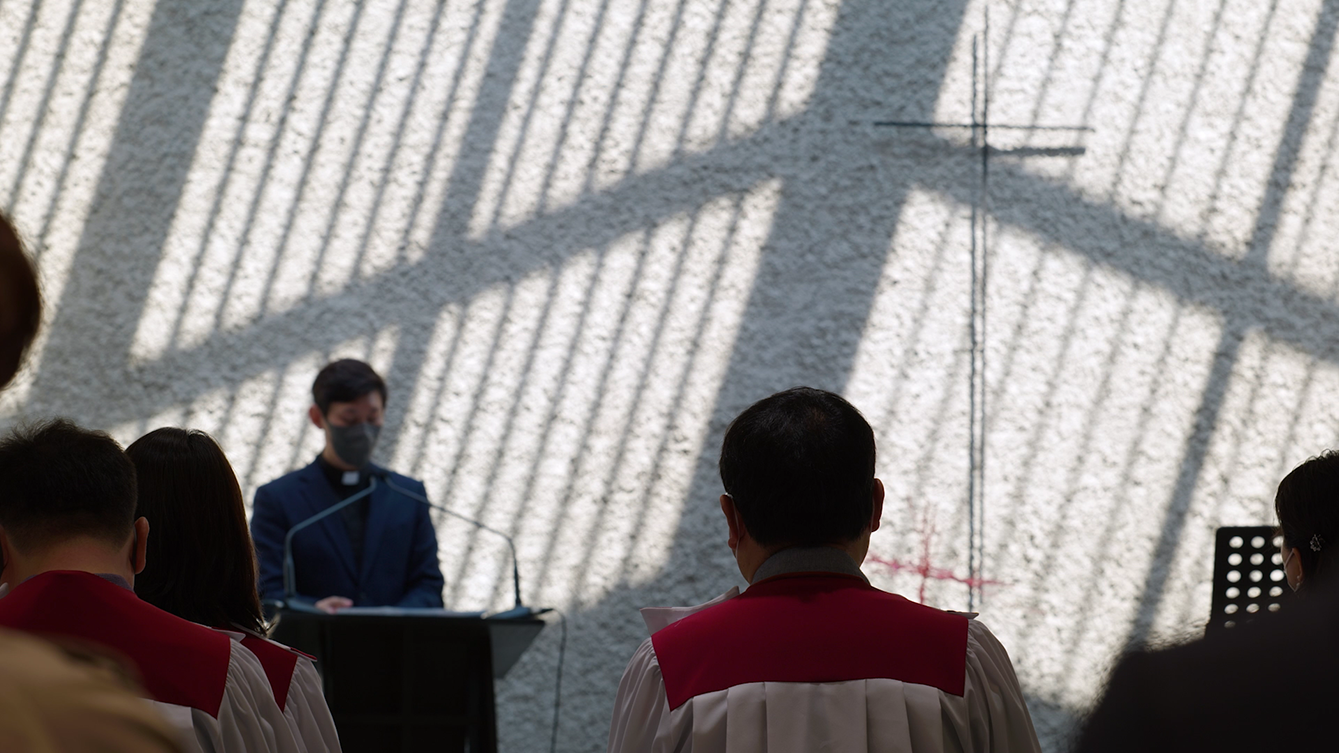
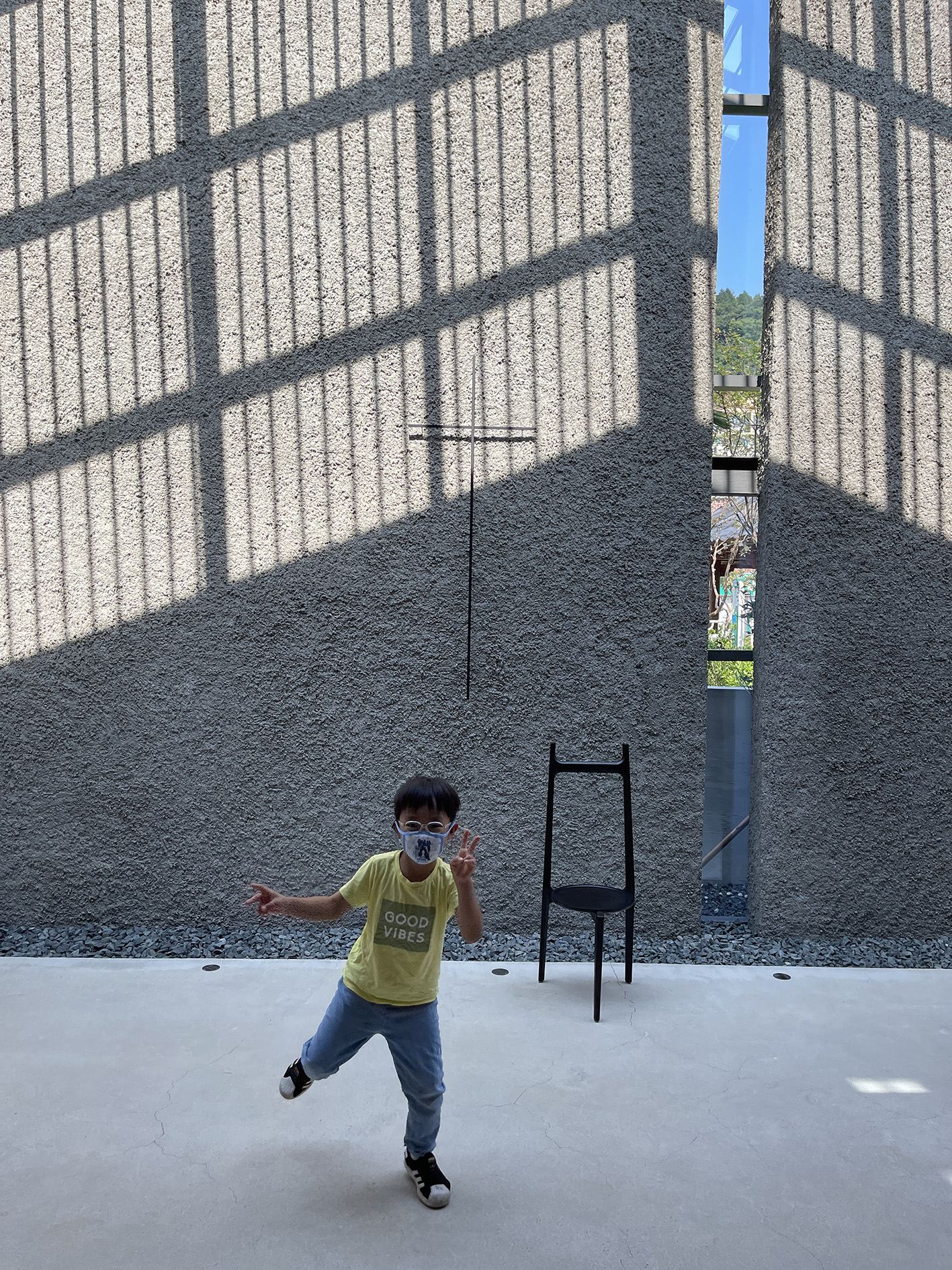
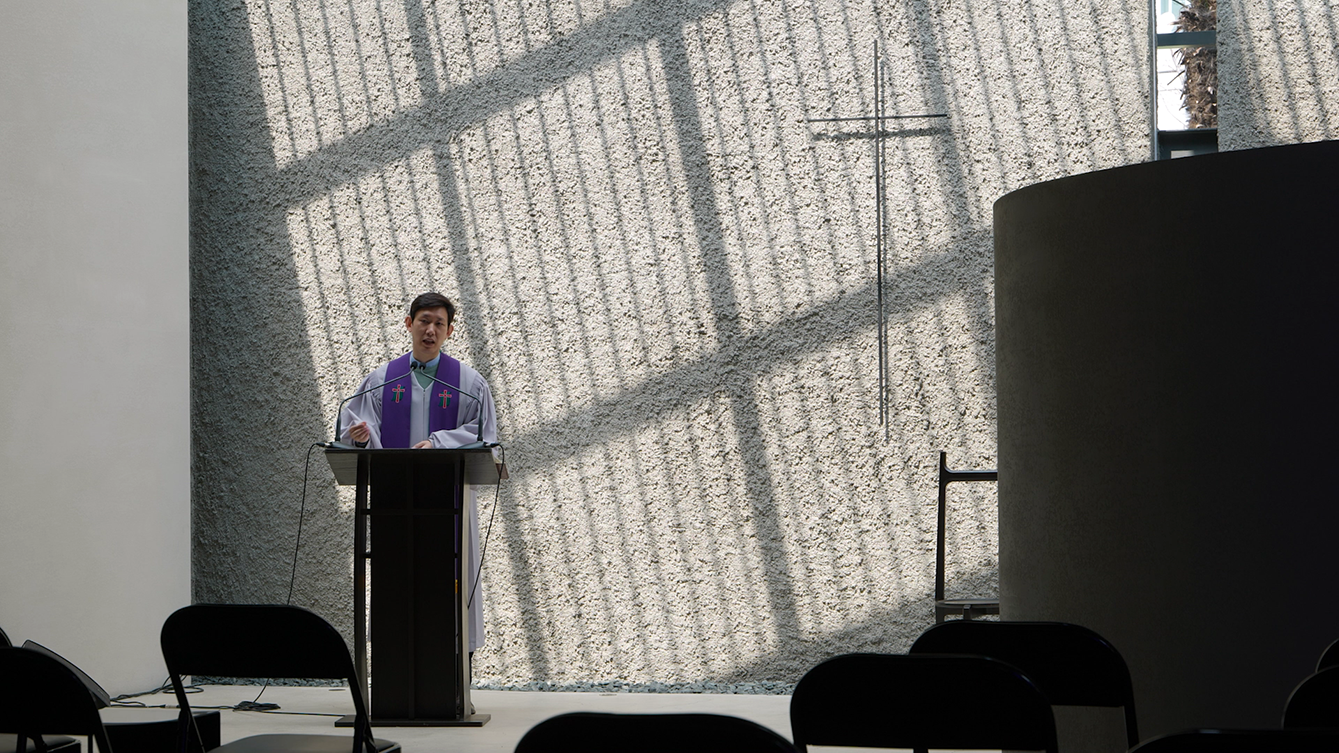
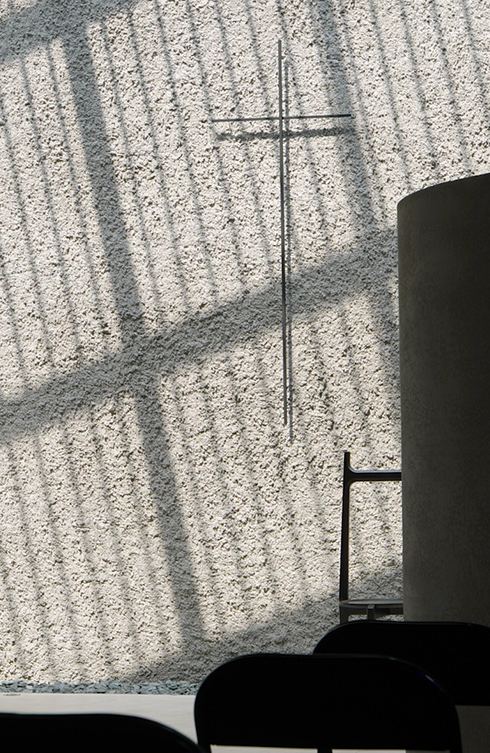
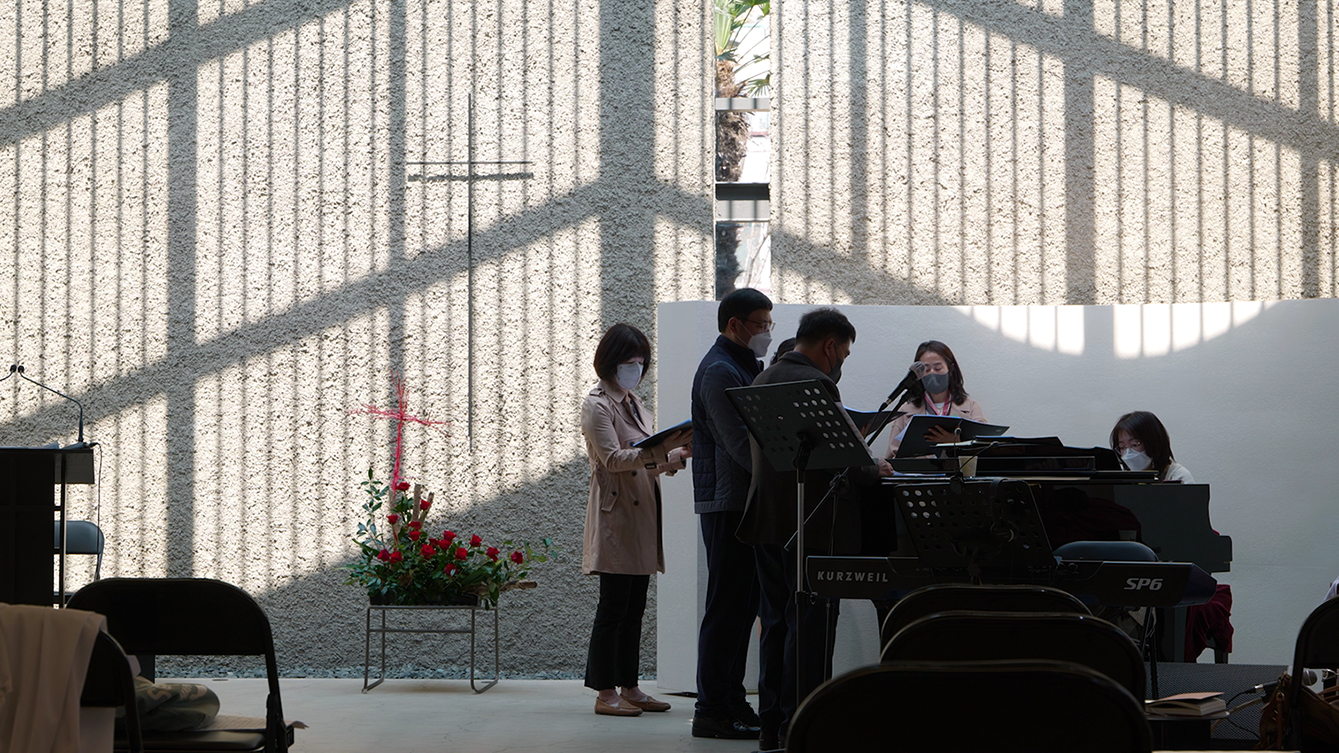
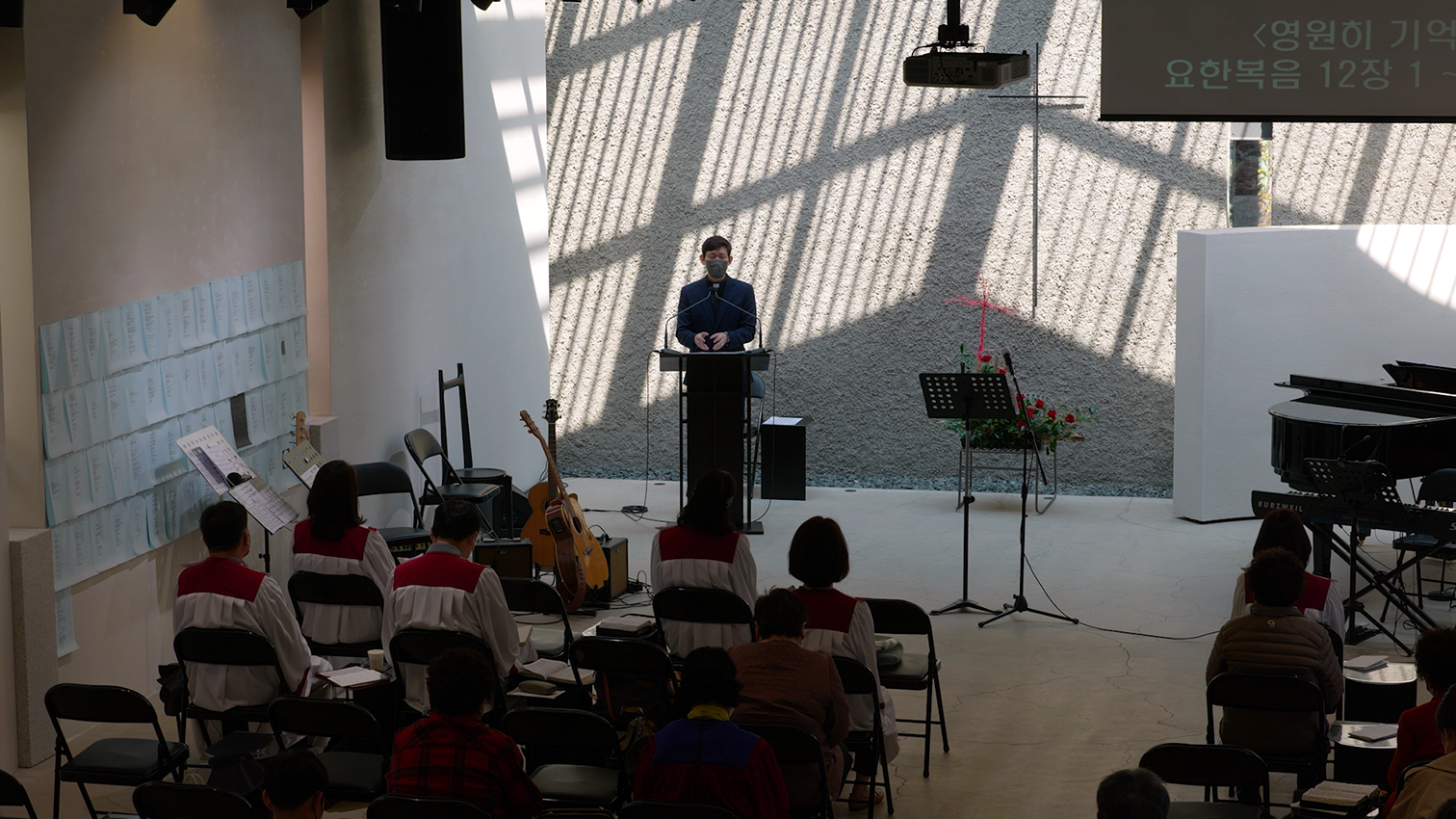
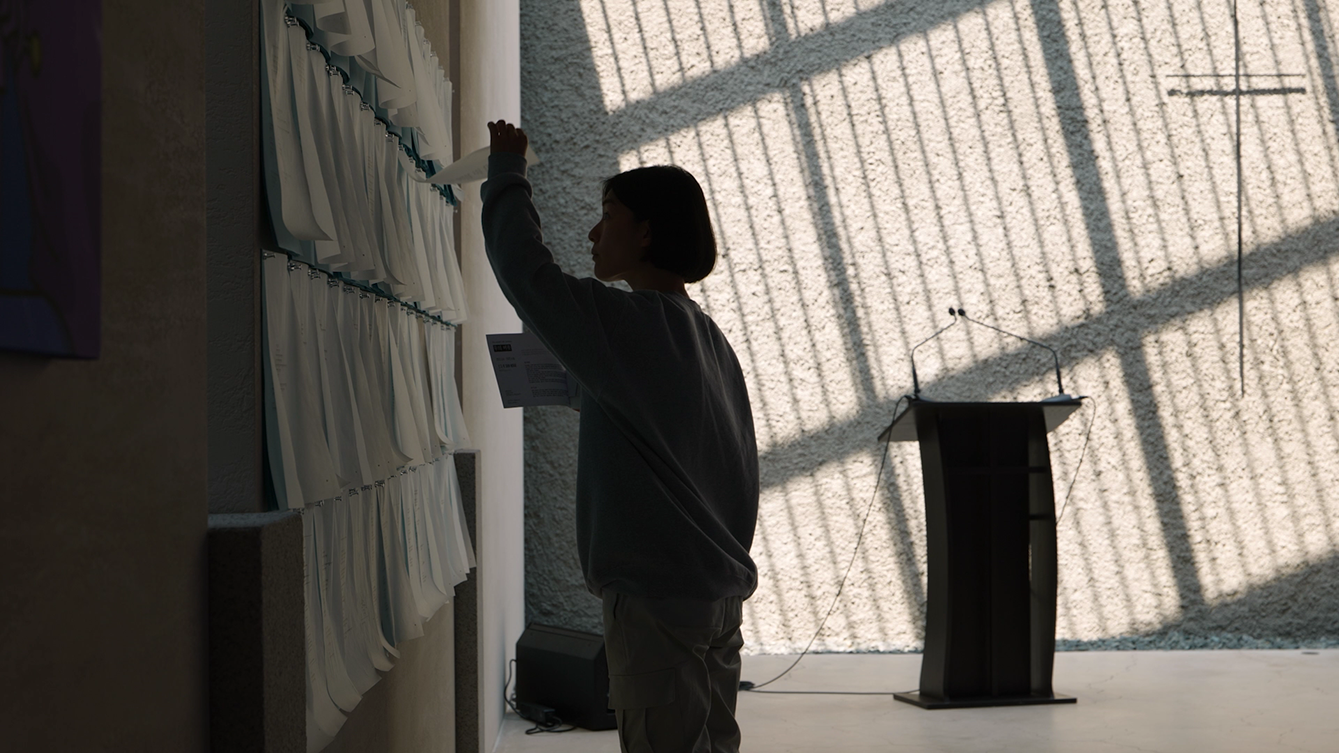
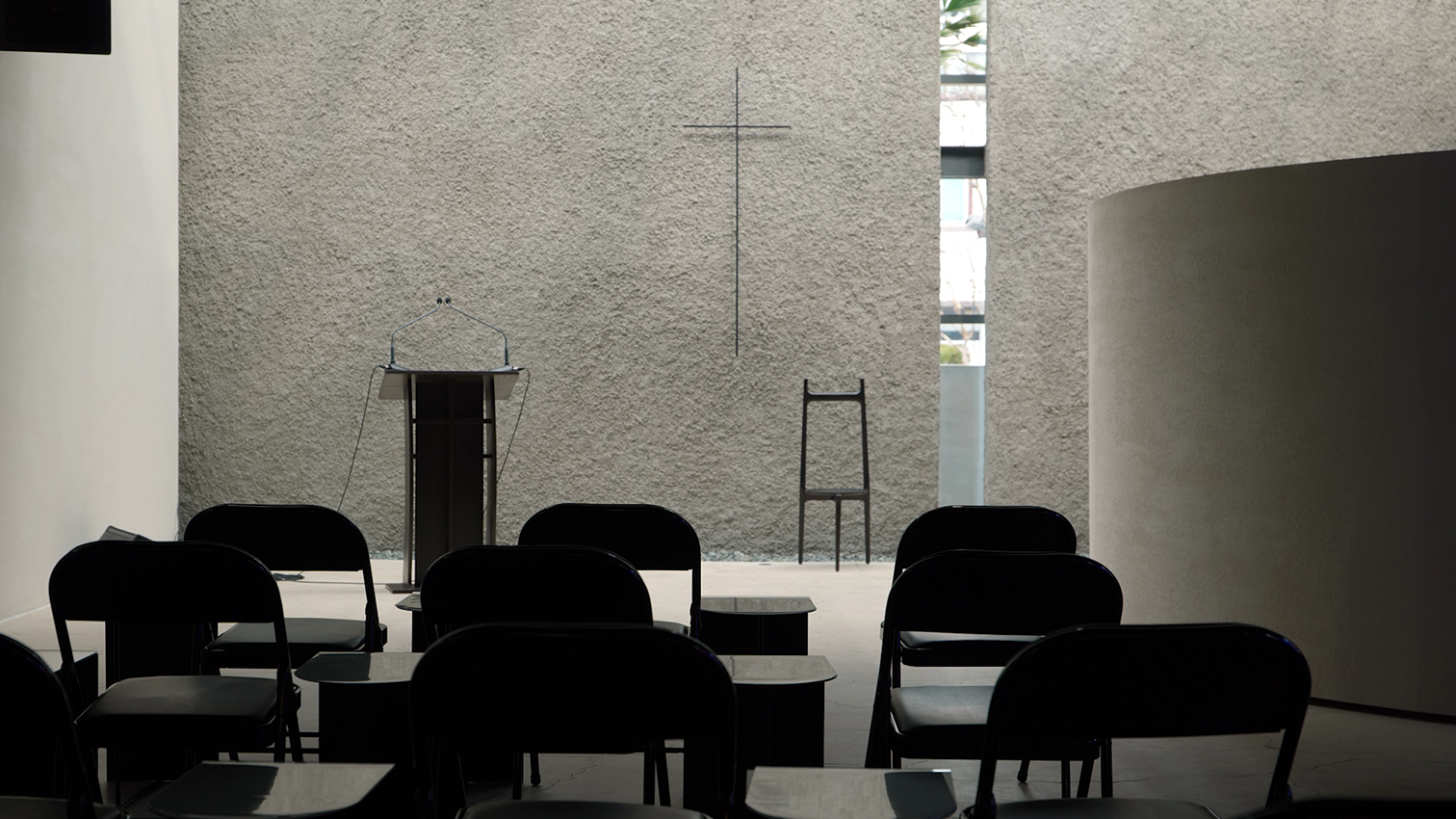
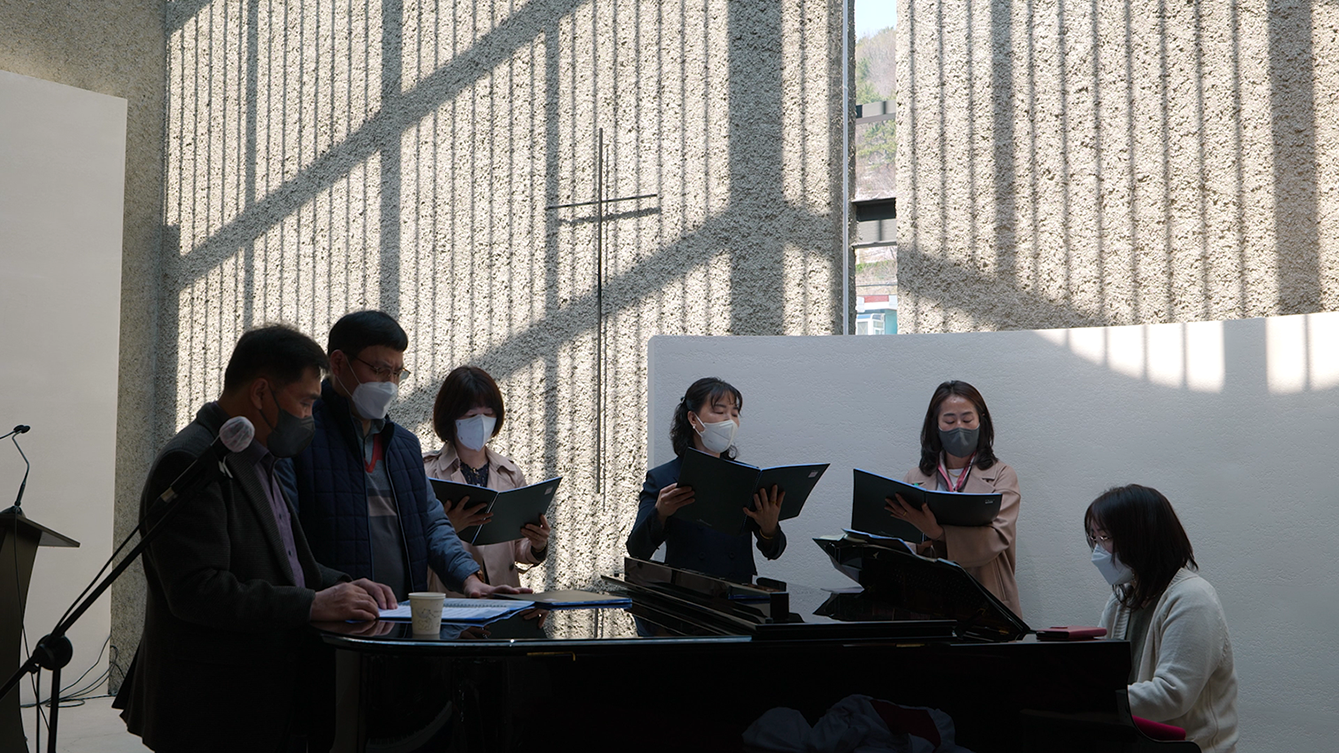
인구와 자본의 서울 집중과 경제적 양극화 속에서 지역의 작은 종교시설들은 존립의 기반을 잃어가고있다. 인구가 떠난 자리에는 쓰임을 잃은 건물들이 남고, 동네의 슬럼화가 진행된다. 이하여백은 동네 공동체의 중심이었던 여수 운화교회가 오늘의 삶 속에서도 그 역할을 이어가도록, 공간의 경계와 쓰임을 다시 조직하는 작업이다.
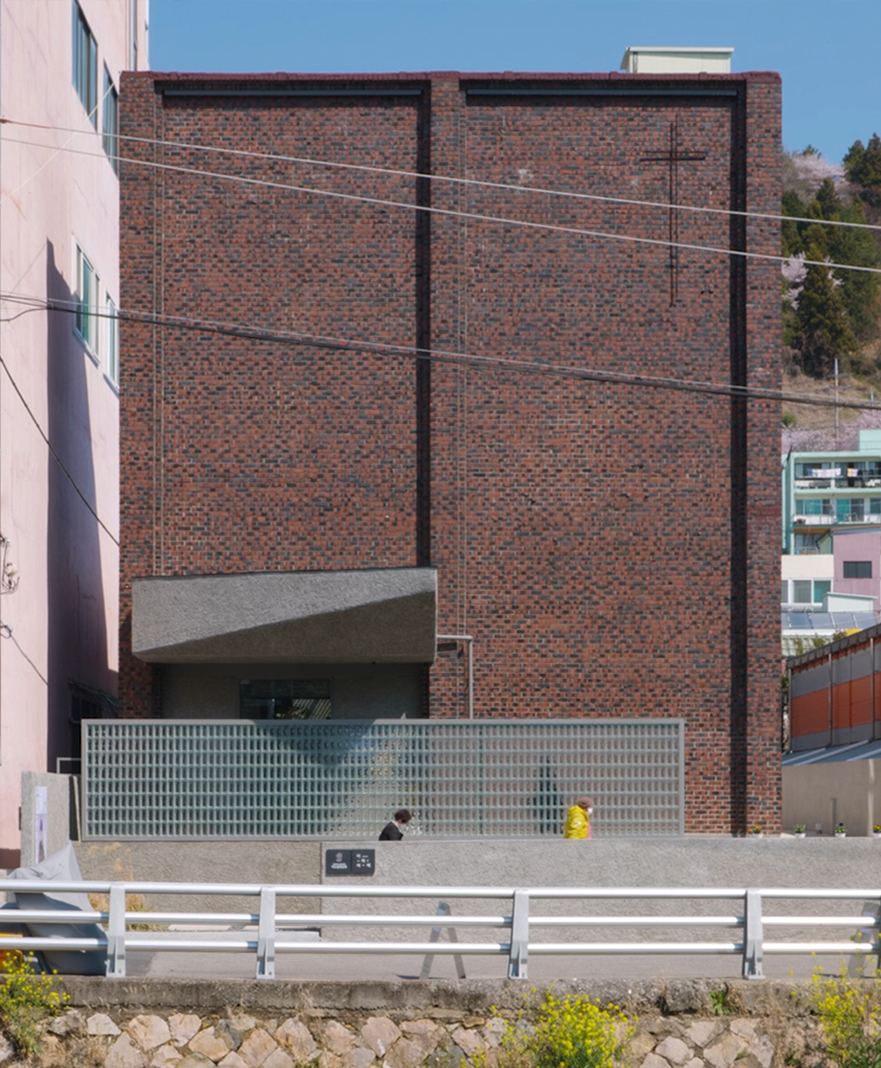
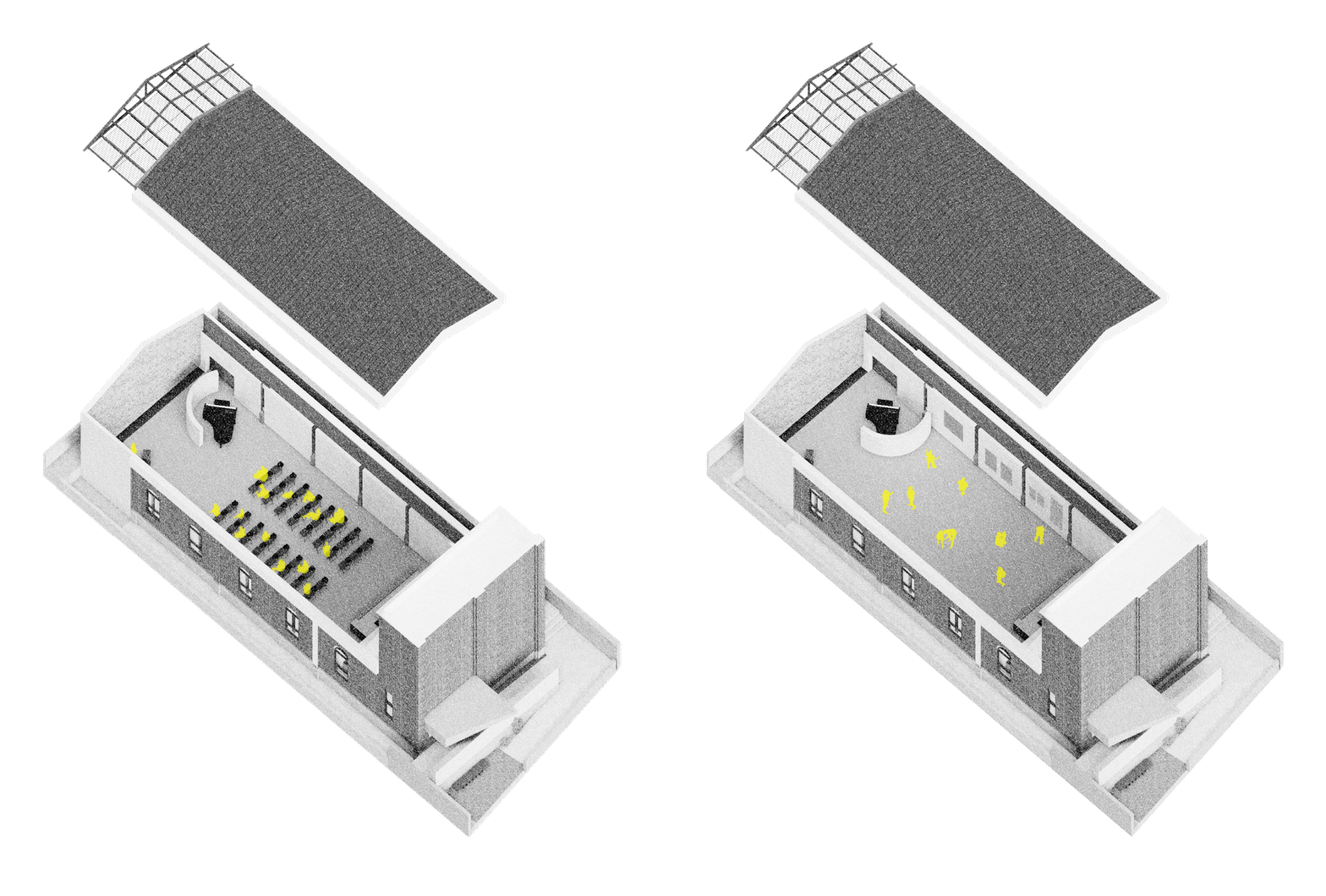
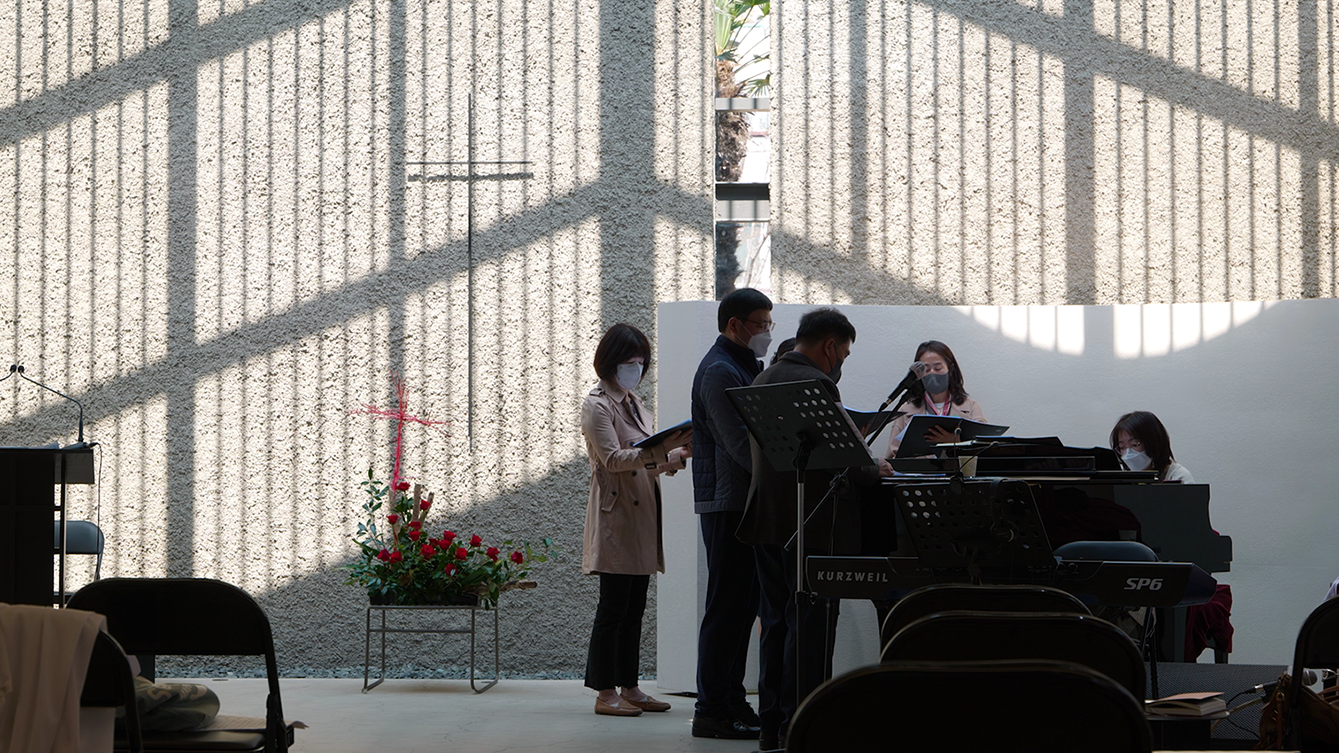
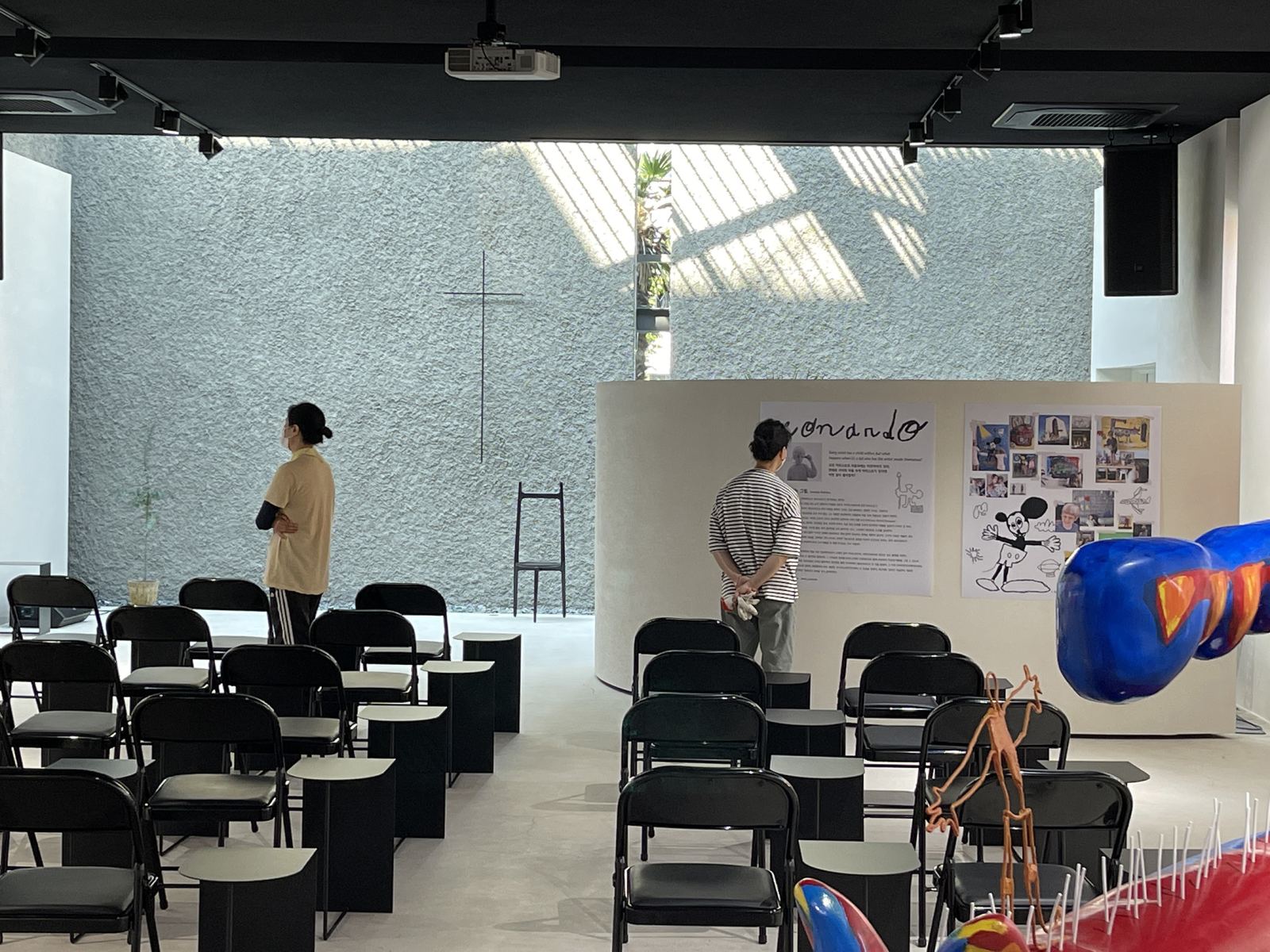
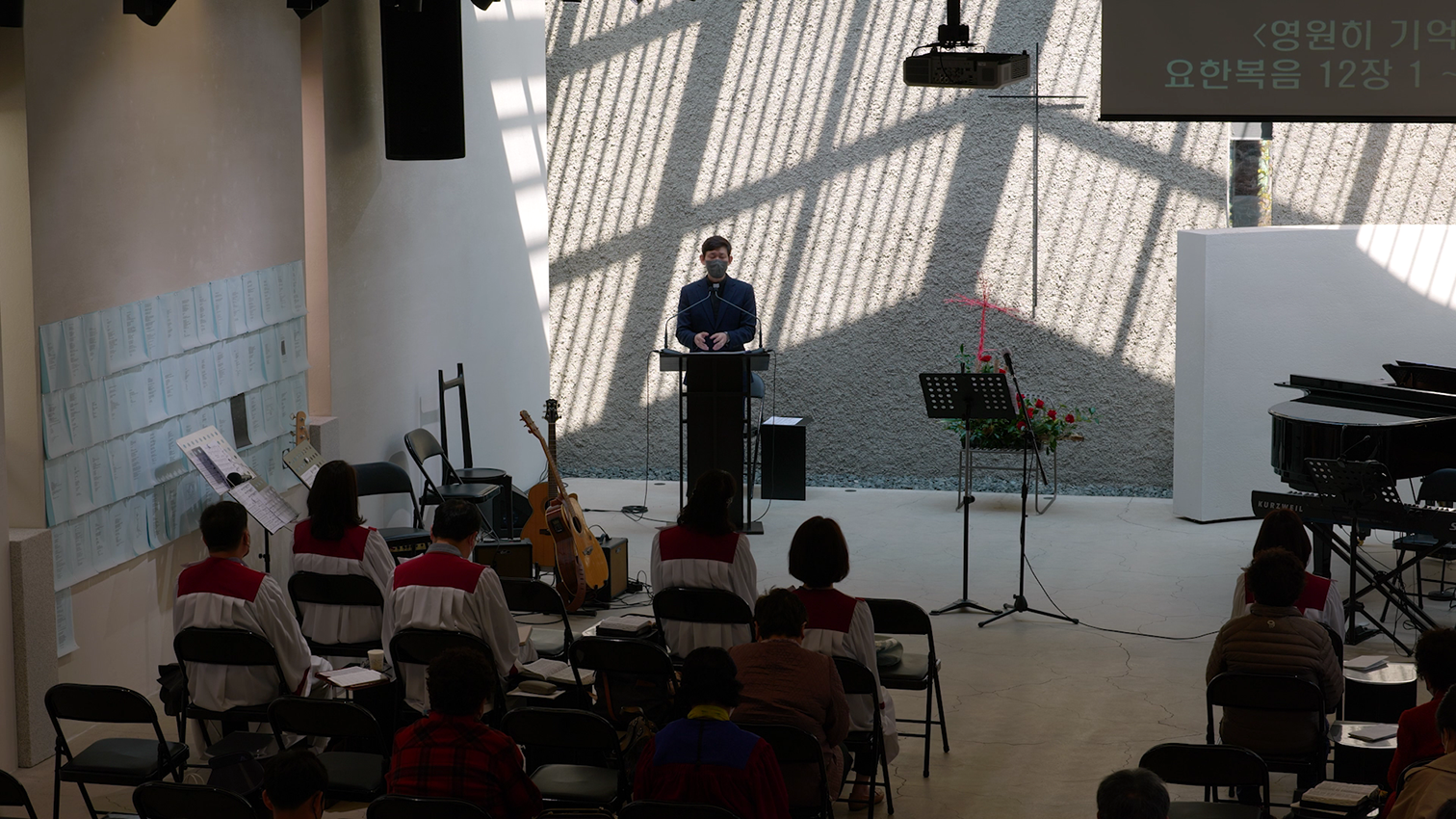
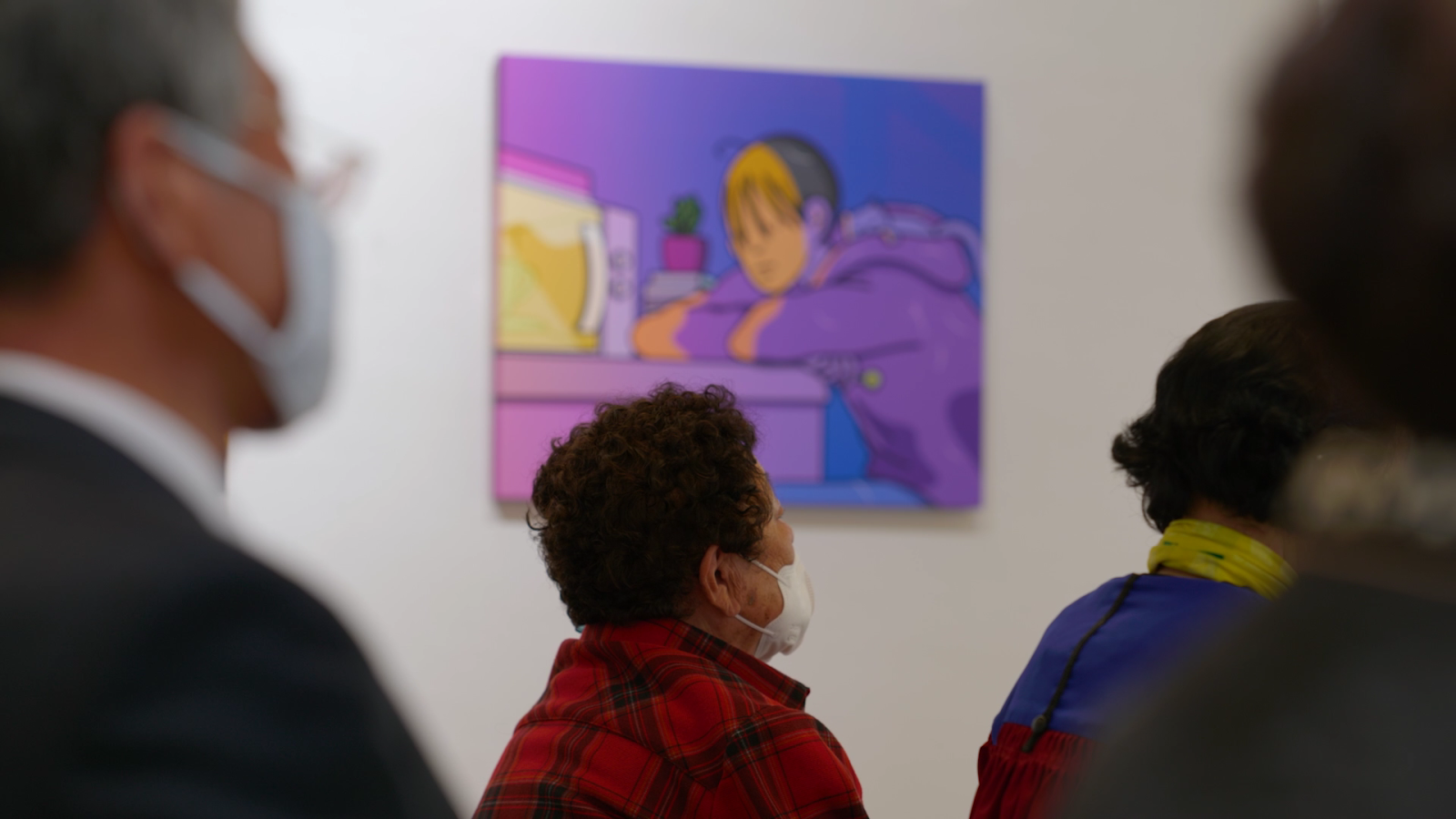
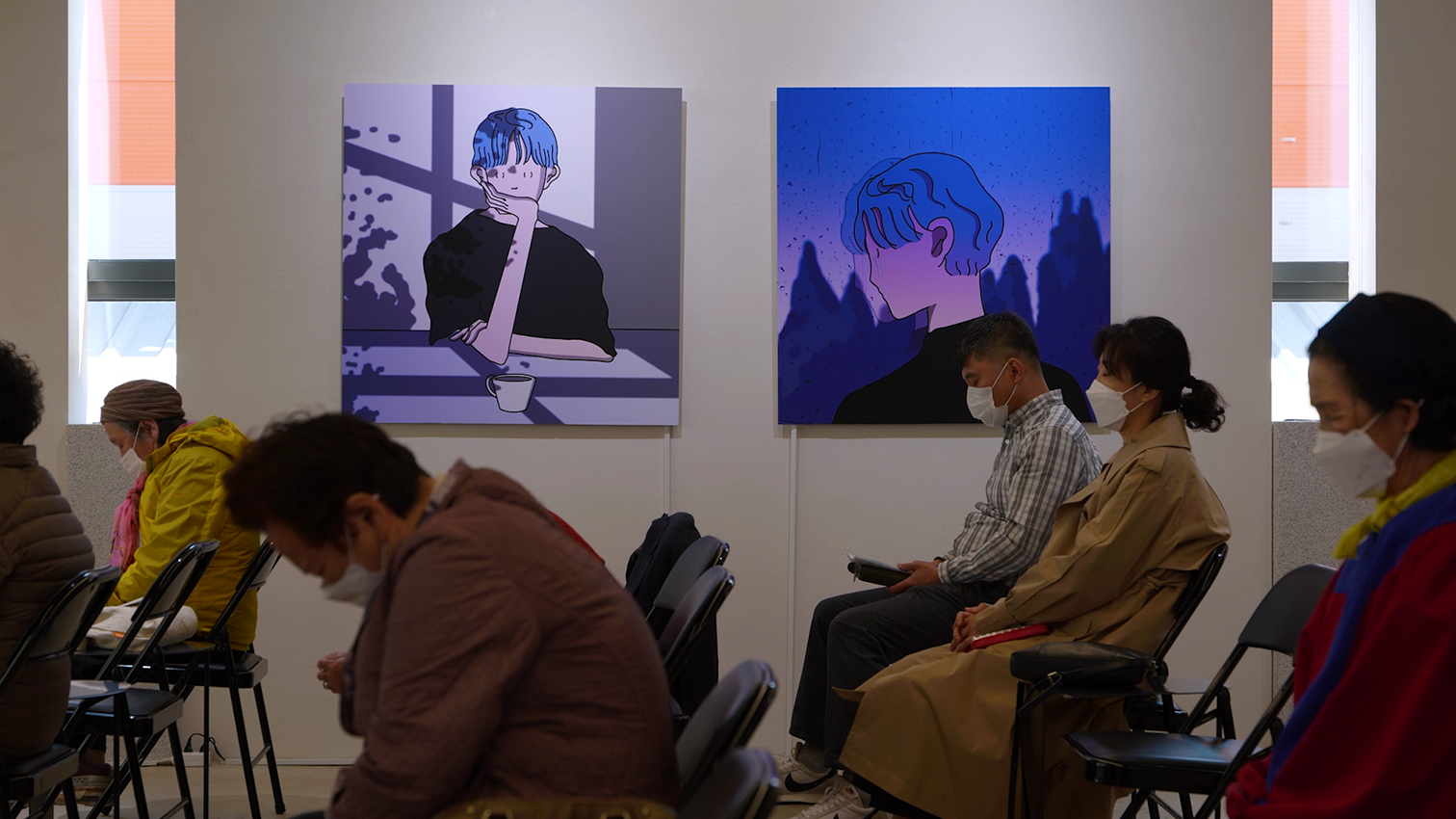
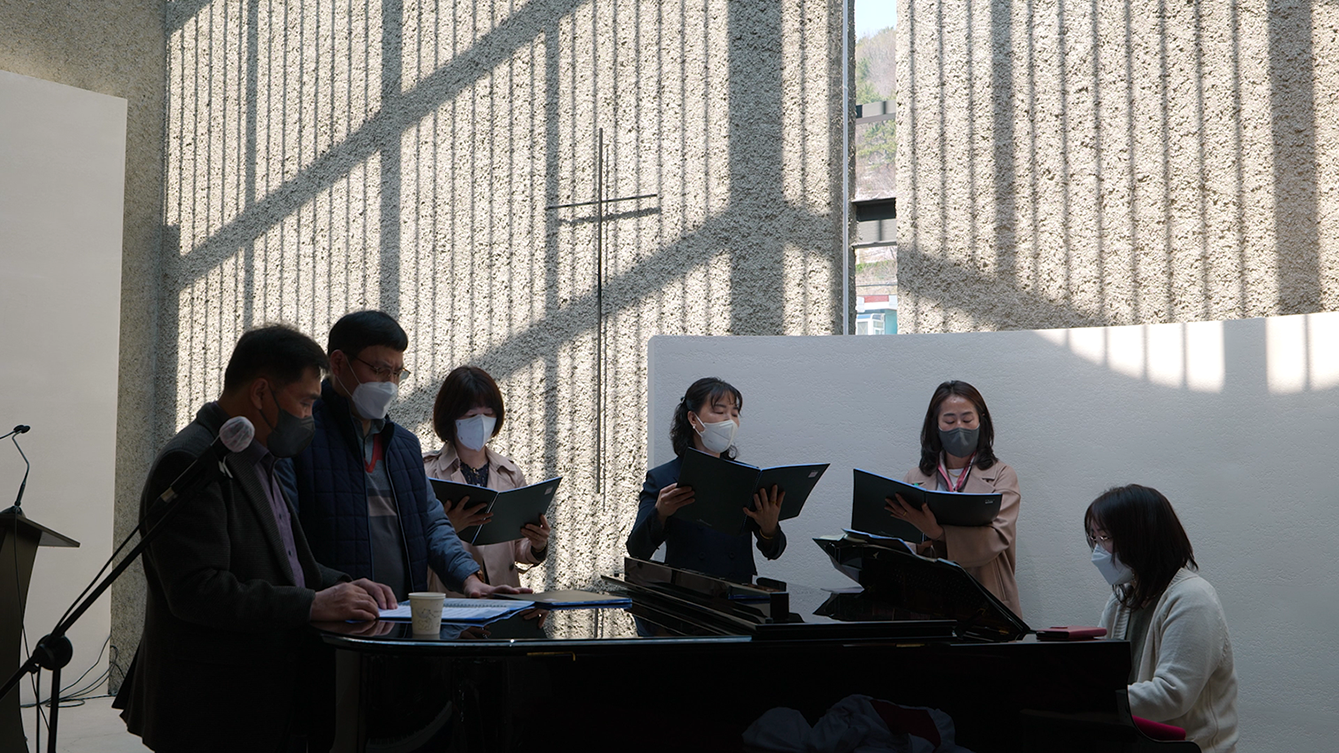
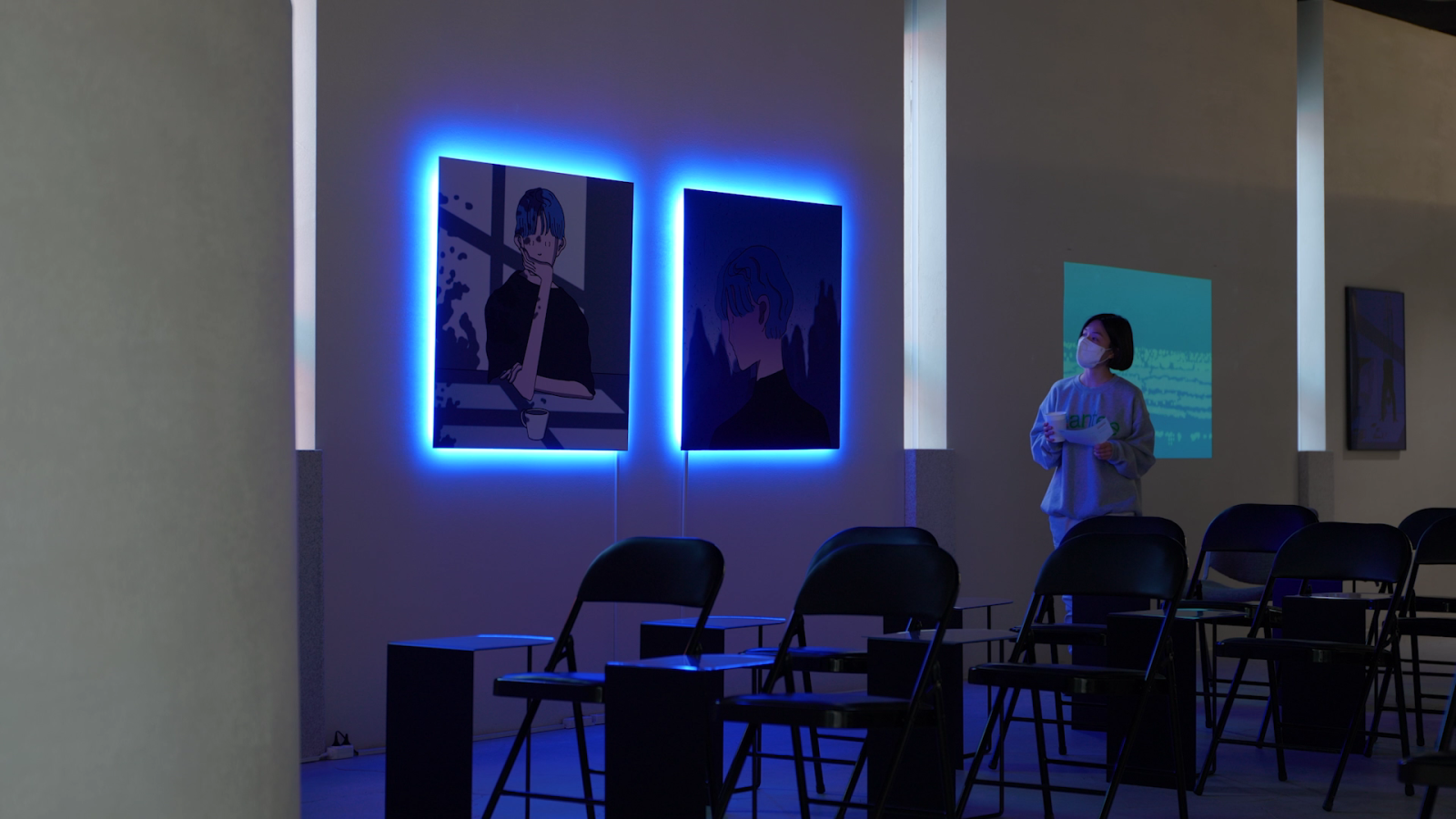
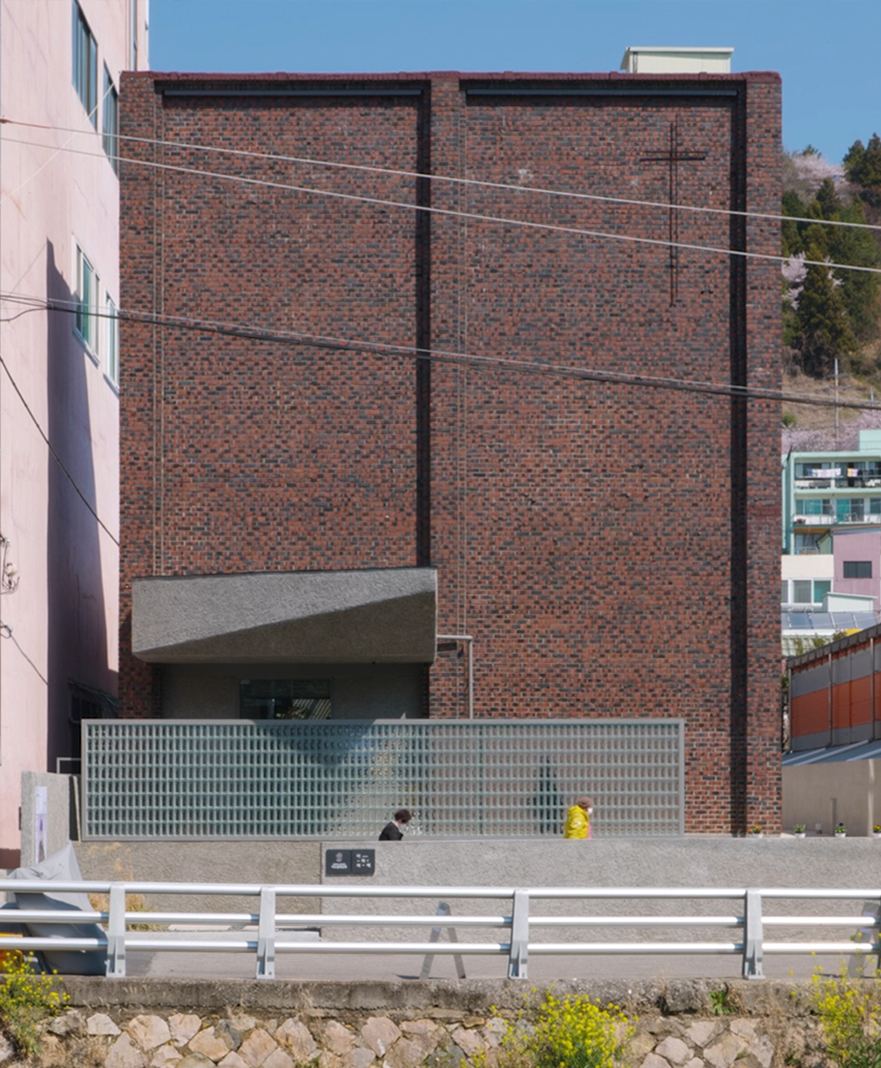
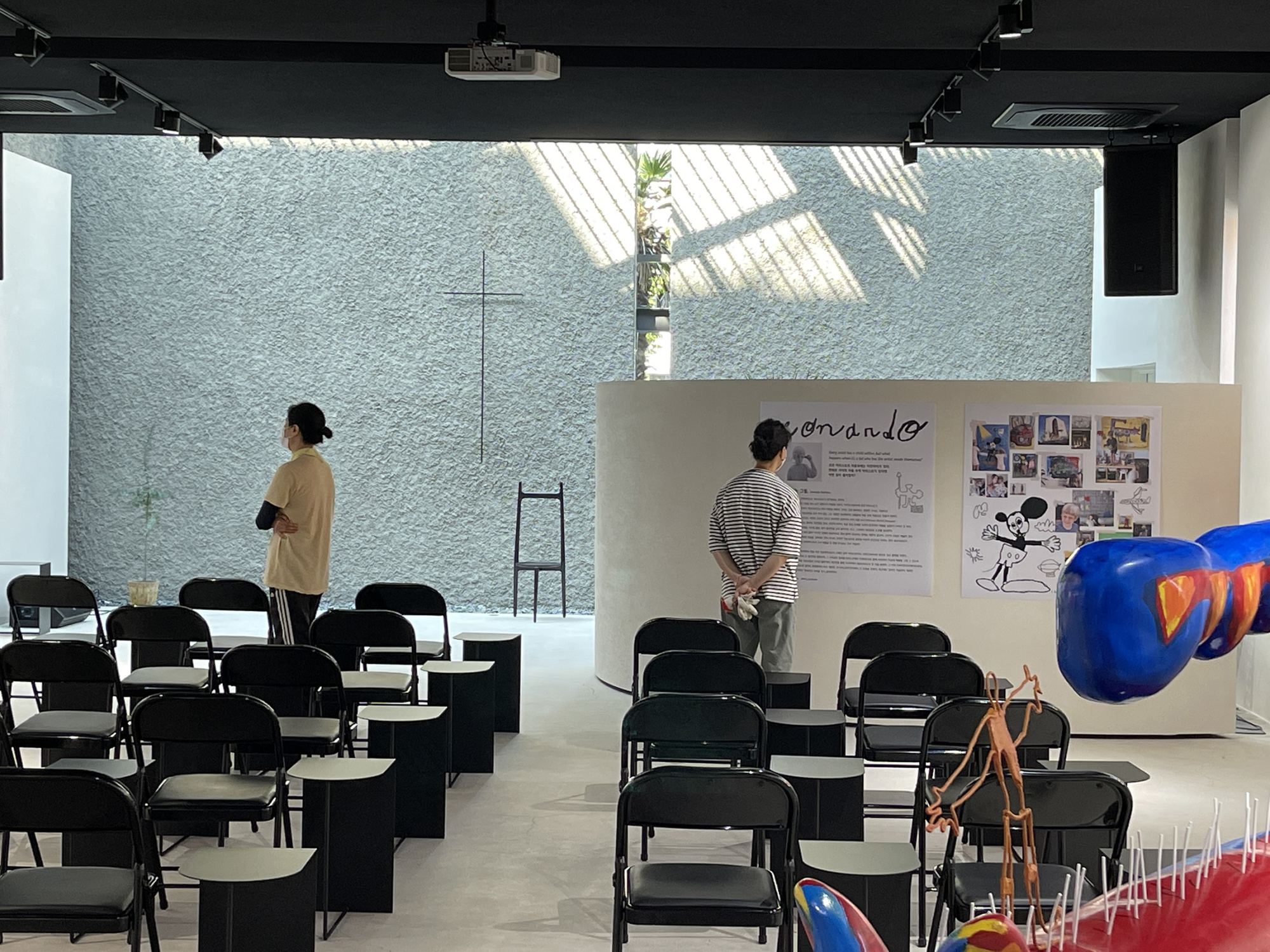
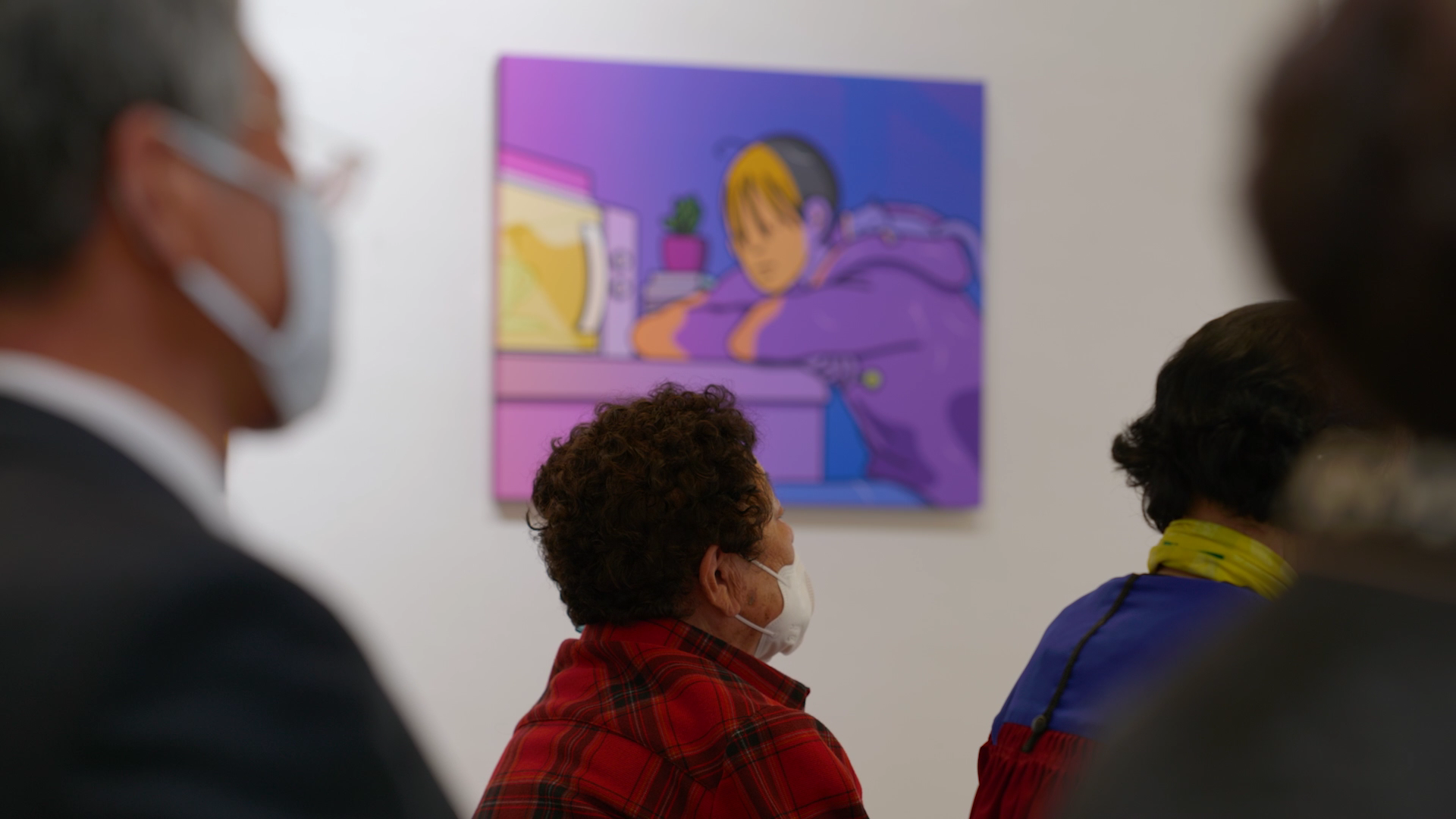
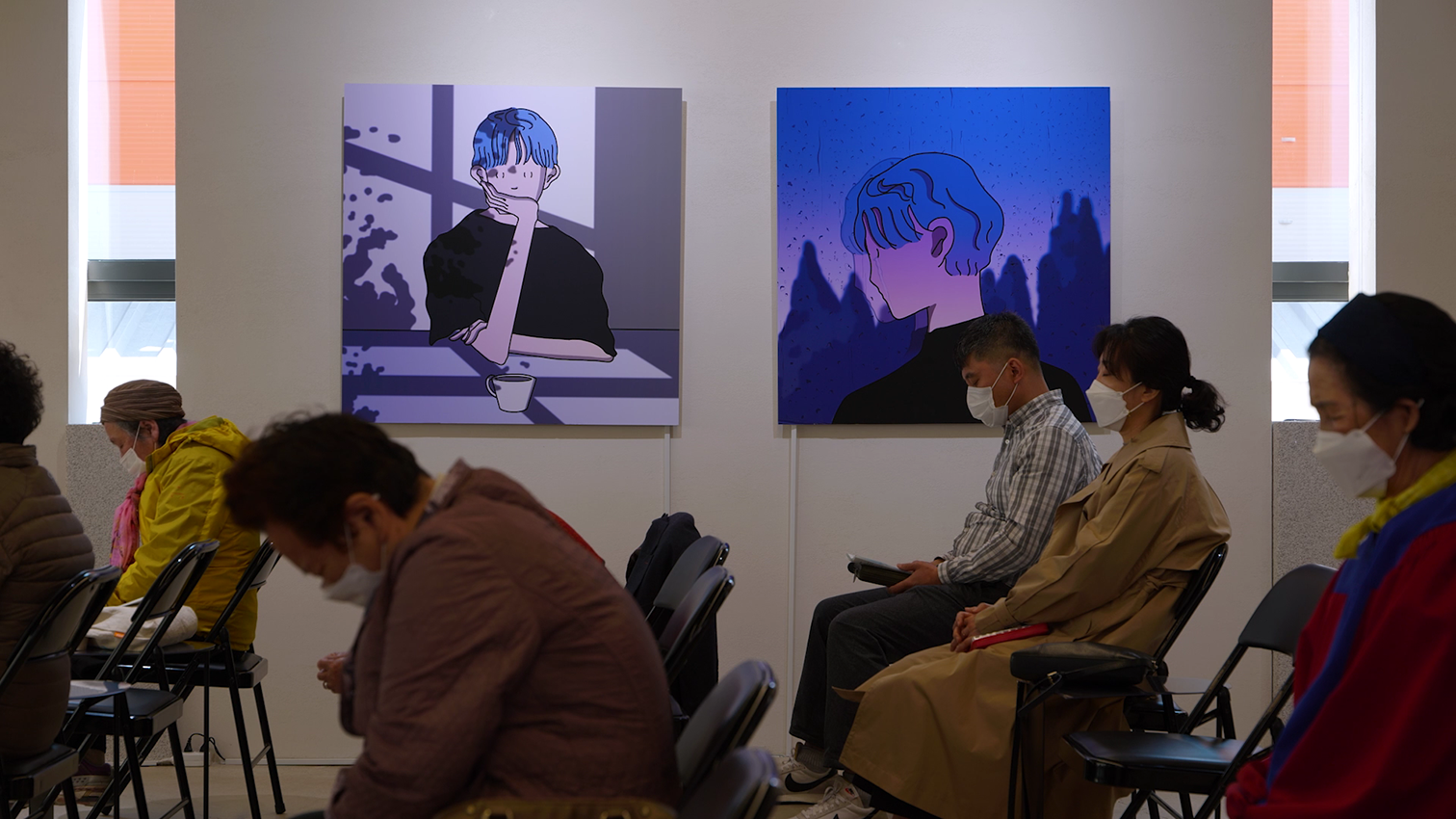
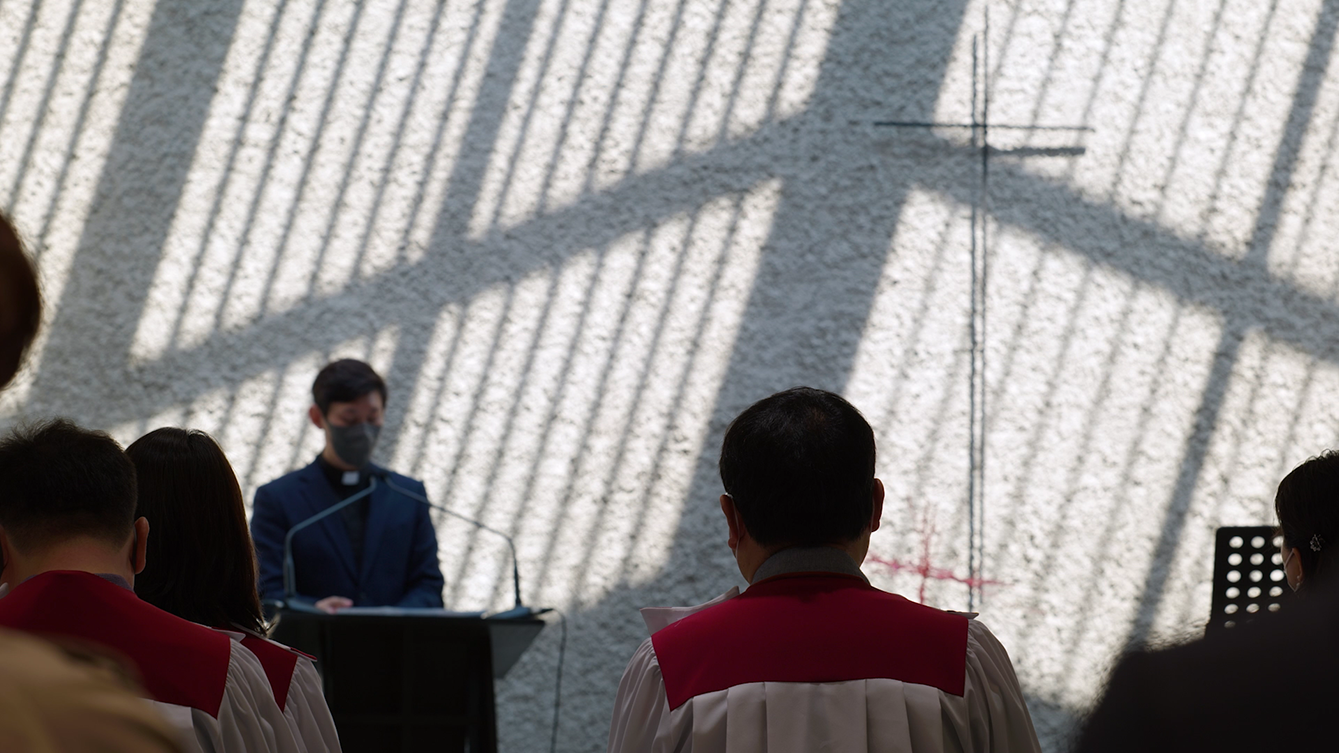
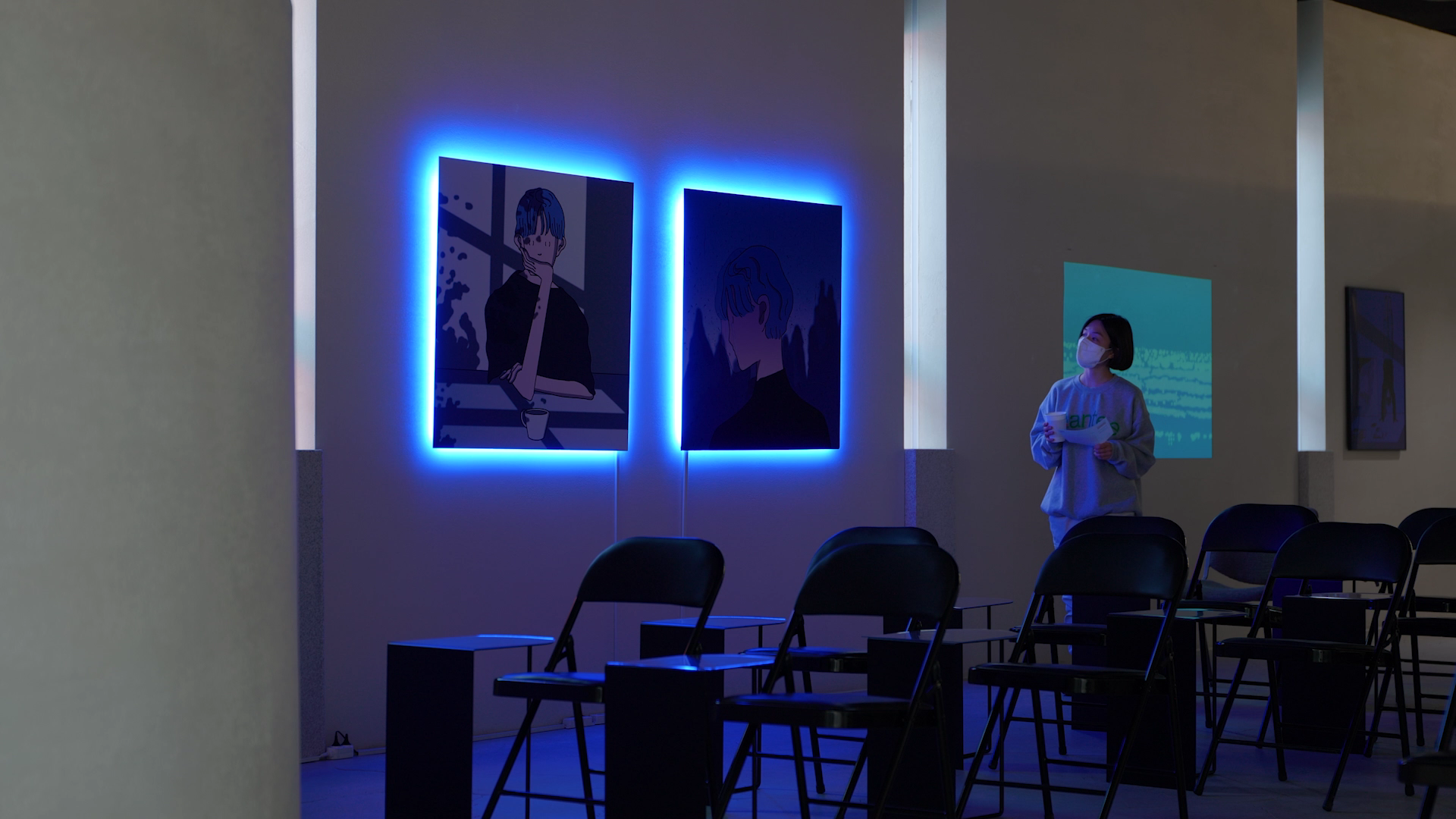
기존 교회의 권위와 내향성은 폐쇄적인 담장, 높은 기단과 같은 물리적 경계를 통해 동네와의 거리감을 형성해왔다. 담장을 걷어내고 진입을 완만하게 만드는 일은, 예배 사이의 시간을 전시와 휴식에 내어주는 일과 맞물린다. 물리적 문턱을 낮추는 동시에 이곳을 찾고 머물 이유를 넓히는 것이다. 그렇게 같은 공간에 서로 다른 삶의 시간들이 포개지며, 신앙을 공유하는 관계 곁에 장소를 공유하는 관계가 자리할 여지를 만든다. 교회의 공동체적 역할은 그렇게 건물의 경계를 넘어 동네의 일상으로 이어진다.
Amid the concentration of population and capital in Seoul and widening economic polarization, small religious institutions in local communities are losing the foundations that sustain their existence. As people leave, buildings are left behind without a use, and neighborhoods gradually fall into decline. Ihayeobaek is an architectural intervention that reorganizes the boundaries and uses of Unhwa Church in Yeosu, once a center of the local community, so that it can continue to play that role within contemporary life.
The authority and inward-looking character of the existing church had created a sense of distance from the neighborhood through physical boundaries such as enclosed walls and a raised platform. Removing the walls and making the approach more gradual go hand in hand with opening the time between worship services to exhibitions and rest. The intention is to lower the physical threshold while also expanding the reasons to visit and stay. In this way, different rhythms of life begin to overlap within the same space, creating room for relationships based on sharing a place to emerge alongside those grounded in shared faith. The communal role of the church thus extends beyond the boundaries of the building and into the everyday life of the neighborhood.